History
The Batavia Cooperative is comprised of four brick townhouses that were significantly damaged by arson related fires in the 1970's. The buildings were sold by the City of Boston for a dollar each to Symphony Area Renaissance Incorporated (SARI), a non-profit started by local homeowners, and area institutions to help revitalize the neighborhood and create affordable housing opportunities. In addition to the renovation of these 4 buildings, SARI oversaw the creation of the Symphony Road Community Garden on land where several buildings had burned down, and the renovation of Belmont Chambers, another 16 unit limited equity cooperative on Symphony Road.
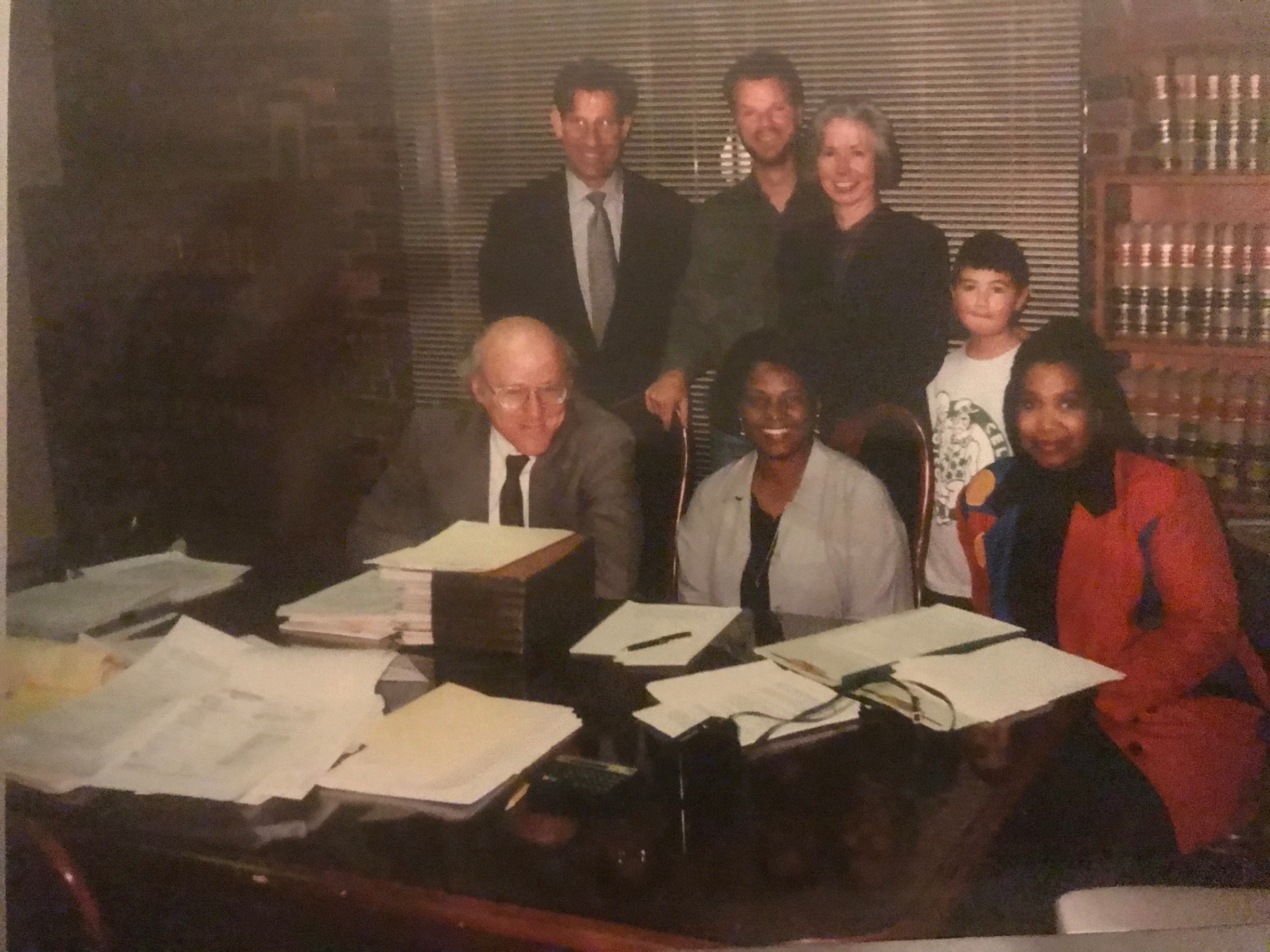
Taking advantage of the $1 purchase price, SARI obtained favorable financing from HUD and private local banks to create the 22 affordable rental units, completing the project and renting up the units to eligible tenants in the early 80's. Later in the mid '90s, SARI worked with the tenants, who formed a Limited Equity Cooperative Corporation and purchased the buildings form SARI, creating Batavia Cooperative. The conversion to the limited equity cooperative was made possible by SARI's willingness use creative financing, allowing the members to perform necessary renovations and up-grades to the common areas and to keep the share prices and monthly carrying charges low and affordable to a wide range of incomes. Today, Batavia Cooperative Inc., is dedicated to permanently protecting decent affordable housing for our residents. The name Batavia Cooperative harks back to the original street name, Batavia Road, which was changed to Symphony Road in 1950.
Purpose
Batavia Cooperative was developed to provide affordable housing for low to moderate income families, give residents a sense of ownership and autonomy over their living conditions and ensure long term affordability for Batavia Members.

The Symphony Area in Boston's East Fenway is a densely settled neighborhood with many brick and brownstone rowhouses - a variety of residential architecture in a central urban location. For more than two decades the neighborhood suffered a scourge of fire and neglect. The situation worsened in the early 1970s when a rash of arson fires and building abandonments caused property values to decline and conditions to deteriorate. In addition, the 1970s were a period of rapid growth for nearby schools such as Northeastern University, The New England Conservatory, and the Berklee College of Music, hospitals in the Longwood Medical Area, and institutions such as the Christian Science Center. This growth intensified the competition for the remaining housing in the neighborhood and contributed to displacing many of the established low and moderate-income families who lived in the neighborhood. In response to these combined pressures, the concerted efforts of several neighborhood organizations, such as Symphony Tenants Organizing Project (STOP) helped turn the neighborhood around. One of these organizations was Symphony Area Renaissance, Inc. (SARI).
SARI was a nonprofit community organization incorporated in 1978 by neighborhood homeowners, residents, and business people. Its mission was to stimulate revitalization of the area and to recycle vacant and burned properties into affordable housing.